The Native Land Trust Reparation Pledge Project

What if you could set right a historical injustice, starting in your own backyard?

Start by finding out whose ancestral land your home occupies. When you are ready, take the Pledge and commit to returning a portion of your home sale to that community.
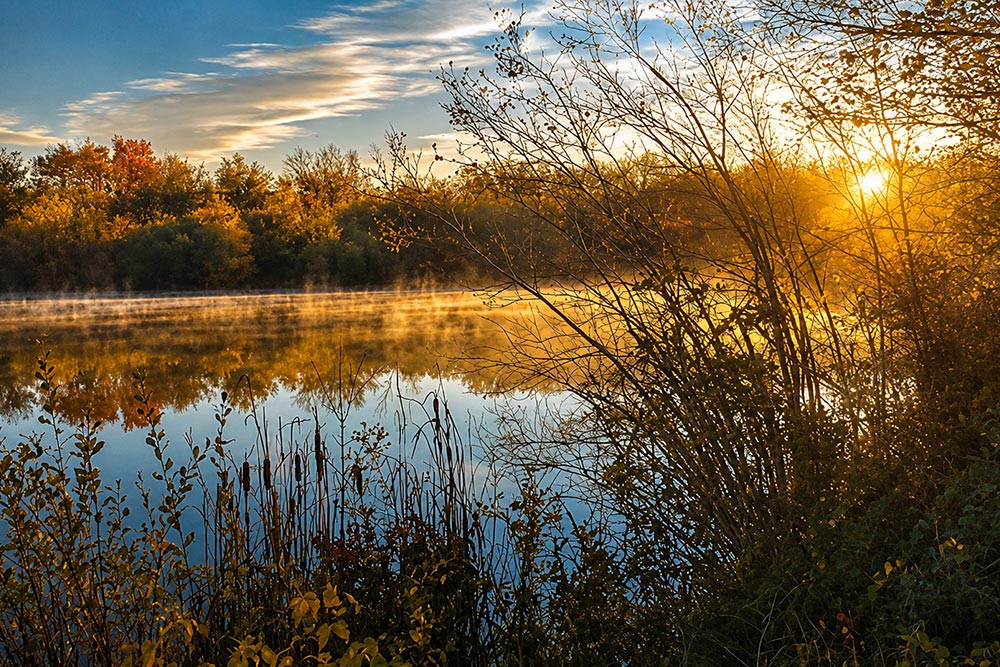
Sun rising over a lake with mist rising from the water, surrounded by wildernessand sunlight shining through the trees - Pocasset Pokanoket Land Trust

The Native Land Trust Reparation Pledge Project

What if you could set right a historical injustice, starting in your own backyard?

Start by finding out whose ancestral land your home occupies. When you are ready, take the Pledge and commit to returning a portion of your home sale to that community.

A simple, personal way to respond

Long before your street had a name, the land beneath your home belonged to Native people. For the Pocasset and many other tribes, that land was taken through dishonored treaties, land deeds written in English, and eminent domain.

The Native Land Reparation Pledge Project offers a simple, personal way to respond. When you sell your home, you donate 1% or more of the sale price to the tribe whose land you lived on. No paperwork beyond a pledge. No legal obligation. Just a commitment to acknowledge the past and do something about it.

Financial Literacy for Beginning Farmers

We create a friendly, informal environment to let you feel welcome and at ease with math-oriented topics. Course content will be integrated through collaborative work with a focus on project-based learning. Each project will be tailored toward the specific goals of farm management by providing relevant information and practical examples for you to build on their previous business experience.

Course discussions will allow every participant to share experiences and learn from each other. Students will leave with a firm grasp on how to create and analyze a farm’s financial statements and build a budget and strategic plan based on their farm’s financial goals.

Quote Quote

Native land reparation involves efforts to address historical injustice from colonization, forced displacement, cultural genocide, and other forms of oppression. It seeks to amplify the voices of Indigenous communities and advance the cause of justice and reconciliation for past wrongs committed against them.
Lewis Randa, FounderNative Land Reparation Pledge Project

How the Pledge Works

Feather Feather

Sign the Pledge

You can make the Pledge at any time, well in advance of selling your home. It’s a commitment of conscience, not a contract; the Pledge is not legally binding.

Plus Plus

Calculate your reparation

After the sale of your home, set aside 1% of the sale price, or more if you feel inspired to give more.

Heart-empty Heart-empty

Give directly

Submit your reparation payment directly to that tribe or organization. Donations are tax deductible.

What Signing the Pledge Means

Clock Clock

It can be made well in advance of a home sale.

Most people sign years before they sell. The Pledge travels with your intention, not your closing date.

Thumbs-up Thumbs-up

It is not legally binding.

This is a voluntary commitment, made freely and kept on your honor.

Location Location

You choose the recipient.

Your reparation goes to the tribe of your choice, ideally the community whose ancestral land your home occupies.

Check Check

It is tax deductible.

Reparation payments made to qualifying organizations can be deducted like other charitable contributions.

Join the movement

Whether you’re selling next month or decades from now, you can take the Pledge today. Every signature adds to a growing record of households willing to name this history and act on it. Sign now, and the commitment is there, quietly waiting for you whenever that day finally comes.